
Across Nigeria, Kenya, South Africa, and beyond, brands are abandoning traditional ad spend in favour of immersive, participatory experiences. As we move deeper into 2026, marketing events and brand activations have become non-negotiable pillars of brand growth strategy, not as supplementary tactics, but as core drivers of consumer trust, loyalty, and measurable revenue impact.
The Shift Reshaping African Markets
For decades, African consumers, like their global counterparts, were positioned as passive recipients of brand messaging. Television commercials, radio spots, and digital banners formed the backbone of marketing playbooks. Today, that model seems to be failing for some brands.
Consumers across Africa are increasingly resistant to traditional advertising. They have become savvy, sceptical, and most importantly, they demand authentic engagement over transactional pitches. This fundamental shift has forced brands to rethink their approach entirely.
The answer? Experiential marketing: immersive events and brand activations that invite consumers to interact, participate, and co-create. Whether it’s a pop-up store, a product launch roadshow or a festival activation, these experiences create something traditional ads cannot: deep emotional connections that translate into long-term brand loyalty.
The 2026 Reality
Brands that master experiential marketing in Africa are doing more than building awareness. They are, in fact, building trust. And trust, as research consistently shows, is the foundation of brand equity and sustainable growth.
 Building Trust in Africa’s Fragmented, Diverse Markets
 Building Trust in Africa’s Fragmented, Diverse Markets
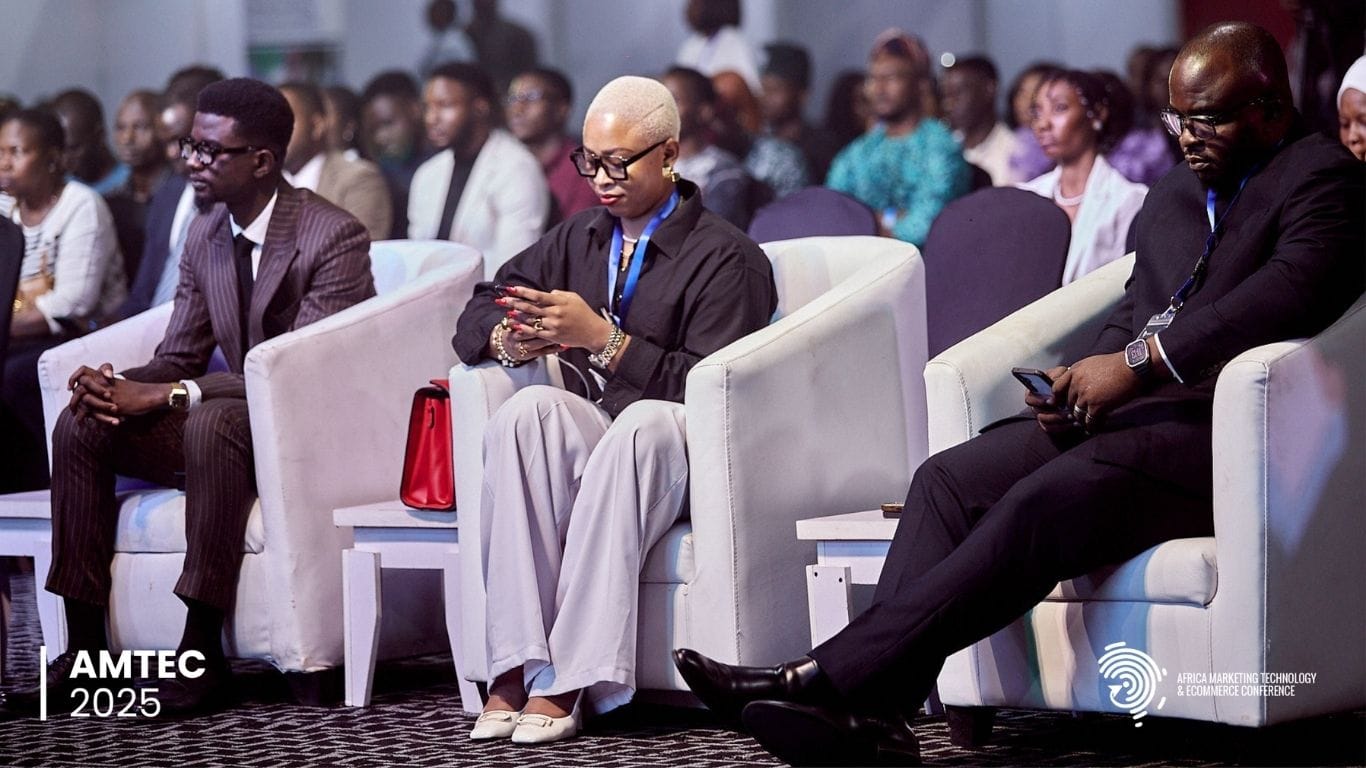
Africa’s greatest strength—its diversity of cultures, languages, and consumer behaviours—is also its greatest marketing challenge. A campaign that resonates in urban Ghana may fall flat in rural Kenya. Yet this fragmentation also presents an unparalleled opportunity for brands willing to engage authentically.
Marketing events solve this fragmentation problem by enabling direct, face-to-face engagement. In markets where digital infrastructure remains uneven, and trust in online advertising is limited, events create a physical, verifiable brand presence.
Read also: How to Build a Transparent Data Strategy That Converts
How Events Drive Trust and Product Uptake
Direct Consumer Interaction
Events allow consumers to touch, test, and experience products firsthand, eliminating the scepticism that surrounds digital-only campaigns. This direct interaction reshapes brand perception and builds authentic credibility.
Navigation of Local Dynamics
Brands new to African markets can use events to understand local preferences, behaviours, and unmet needs in real time, accelerating market entry and reducing costly mistakes.
Relationship Building
Unlike passive advertising, events create opportunities for two-way dialogue. Brands can listen, respond, and demonstrate genuine investment in their consumer communities.
Word-of-Mouth Amplification
Memorable experiences generate organic advocacy. Consumers who attend events become brand ambassadors, extending reach far beyond the event footprint.
In emerging economies like Nigeria, where trust in institutions and brands remains conditional, experiential activations serve as a bridge, proving value, demonstrating commitment, and establishing the long-term relationships that drive sustainable growth.
Cultural Relevance as the Growth Engine: Why One-Size-Fits-All Fails
The most common mistake most international and pan-African brands make is attempting to export a “global” campaign to the continent. This approach consistently underperforms because it misses the fundamental truth: Africa is not a monolith.
A successful marketing event in 2026 must be hyper-localised, that is, designed and executed with deep respect for local languages, traditions, values, and aspirations.
Read also: Cross-Border Campaigns with AI: Lessons from Pan-African Brands
The Case for Hyper-Localised Activations
Instead of nationwide digital blitzes, growth teams across Africa are investing in localised pop-up events and experiential marketing that build deeper community trust. This shift reflects a practical reality:
Language Integration: Events conducted in local languages signal respect and create psychological safety. A product launch in Zulu or Swahili reaches consumers in their comfort zone.
Cultural Integration: Successful campaigns weave in local traditions, music, aesthetics, and values. A beverage brand sponsoring a community festival isn’t just marketing—it’s becoming part of the cultural fabric.
Regional Adaptation: Consumer preferences vary dramatically by geography. Events allow brands to test messaging, positioning, and even product variants with real consumers before full-scale rollout.
Stakeholder Engagement: Local influencers, community leaders, and micro-entrepreneurs become partners, amplifying authentic reach and embedding the brand within existing social networks.
Strategic Insight: Brands that invest in understanding and celebrating local context don’t just succeed, they become cultural fixtures. This cultural relevance drives customer lifetime value exponentially higher than generic campaigns ever could.
The 2026 Strategic Pivot: Four Imperatives for Modern Brand Growth
1. Digital-Physical Hybridisation: Seamless Integration for Maximum Impact
Africa boasts some of the world’s highest mobile adoption rates. In markets like Nigeria and Kenya, mobile penetration exceeds 80%, making smartphones the primary touchpoint for digital engagement. Yet this mobile revolution hasn’t diminished the power of physical events, it has only transformed them.
The winning strategy in 2026 is seamless integration between physical events and digital platforms. A product launch roadshow isn’t complete without WhatsApp community engagement, Instagram Live coverage, and SMS-driven incentives. Conversely, digital campaigns drive foot traffic to physical venues.
This hybridisation amplifies reach (digital extends beyond those physically present), drives real-time engagement (live updates and hashtags), and creates measurable data trails (registrations, shares, conversions).
2. From “One-Off” Stunts to “Always-On” Ecosystems
A single activation, no matter how memorable, creates a spike followed by silence. Smart brands are moving beyond event-based campaigns toward sustainable experiential ecosystems that encourage ongoing consumer co-creation.
This might manifest as:
- Monthly pop-up spaces in high-traffic areas where consumers can engage with the brand continuously
- Community ambassador programs that extend brand activation into everyday conversations
- Loyalty programs that reward experiential engagement, not just purchases
The shift from “event” to “ecosystem” transforms the relationship from transactional to relational.
3. Measurable Impact: Turning Buzz into Revenue
Historically, experiential marketing has suffered from an attribution problem: “We had a great event, but how much revenue did it really drive?” This is changing.
Marketers across Africa now leverage advanced data analytics to track foot traffic, consumer engagement, and—critically—purchase intent and actual conversion. Tools like geofencing, QR code tracking, and mobile app integration transform events from brand-building exercises into measurable revenue drivers.
This data obsession serves two purposes: First, it demonstrates ROI to executive stakeholders. Second, it provides real-time insights that optimise future activations.
4. Focus on Customer Lifetime Value Over Short-Term Buzz
The final imperative is strategic. Events that generate temporary excitement but fail to drive lasting engagement represent wasted investment. The brands winning in 2026 design activations specifically to convert short-term interest into long-term customer relationships.
This requires intentional post-event engagement: follow-up communications, exclusive offers for event attendees, and mechanisms to deepen the relationship beyond the activation window.
Overcoming Execution Hurdles: The Reality of African Marketing
An ambitious strategy means nothing without flawless execution. African brands and international players face unique operational challenges that can derail even well-planned activations.
Logistical Complexity and Infrastructure Realities
Infrastructure inconsistency is real. Electricity stability in some markets, supply chain fragmentation, and transportation challenges can make event execution significantly more complex than in developed markets.
Bridging the Experience Gap: Interest to Lifetime Value
The ultimate challenge is ensuring that short-term event excitement translates into sustained customer lifetime value (CLV). Many activations generate impressive foot traffic and social media buzz but fail to drive meaningful behaviour change. Attendees have a great time, but do not become customers. They click the “like” button but do not convert.
Brands closing this gap employ:
Clear conversion mechanics: On-site discounts, exclusive products, or membership incentives that immediately drive purchase intent
Post-event nurturing: SMS, email, and app-based follow-up that maintains momentum
Community building: Transforming event attendees into ongoing brand communities
The Path Forward: Authenticity as Strategy
As Africa’s consumer markets mature and competition intensifies, brands face a simple choice: invest in authentic, participatory experiences that respect cultural context and drive measurable value, or continue betting on passive advertising that increasingly falls on deaf ears.
The brands winning in 2026 are those that understand that effective marketing events in Africa must be authentic, participatory, and tightly aligned with the specific cultural and economic context of their target audience.
This isn’t a tactical shift. It’s a fundamental reimagining of how brands build growth in Africa’s diverse, dynamic markets.
The Bottom Line: In the experience economy, your brand’s growth is measured in genuine relationships, cultural relevance and the lifetime value of consumers who become advocates because they feel seen, heard and valued.
Master the art of African Brand Building in 2026
The strategies outlined in this article—from digital-physical hybridisation to hyper-localised activations to data-driven measurement—are being put into practice right now by leading brands across Africa.
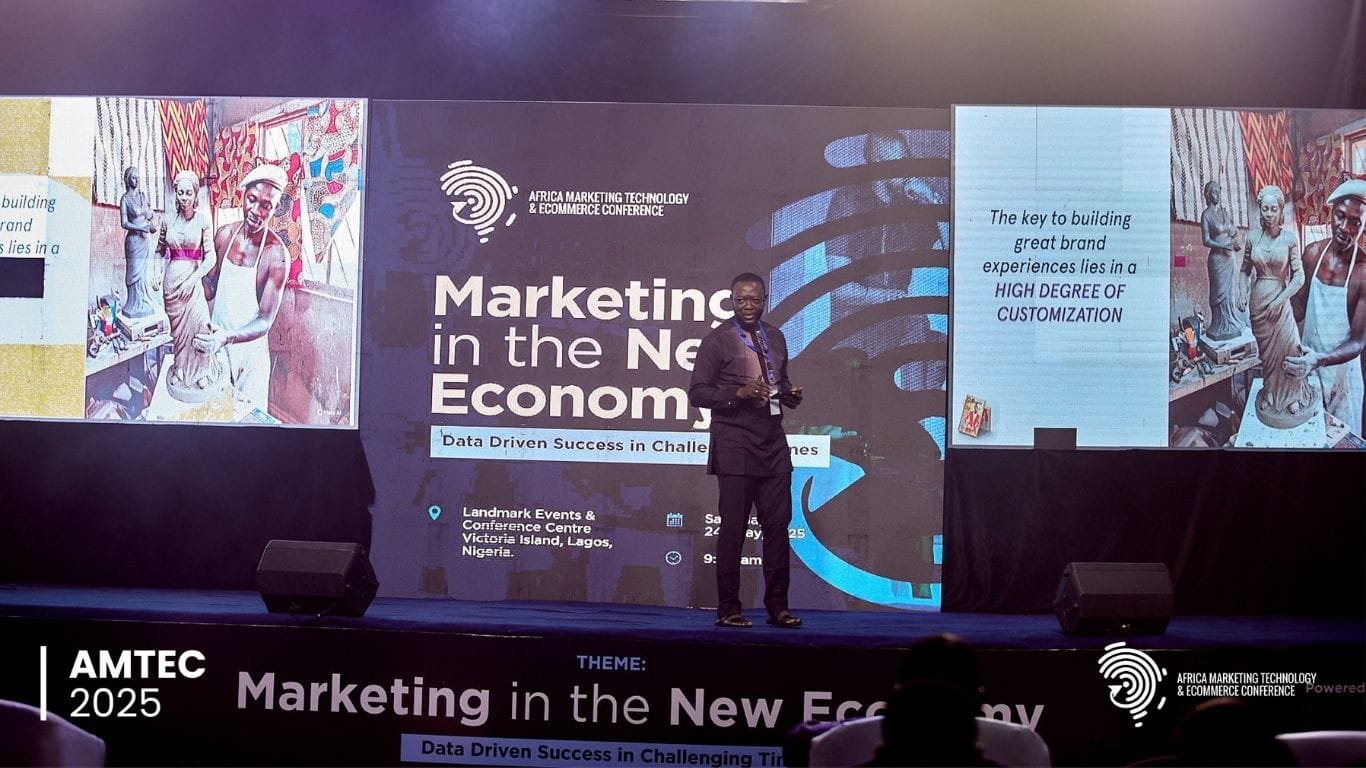
The Africa Marketing Technology and E-commerce Conference (AMTEC) 2026 is the premier gathering of African marketing leaders, technology innovators, and brand strategists focused on mastering growth in emerging markets.
Whether you are a global brand entering African markets or an African innovator scaling across the continent, AMTEC is your strategic advantage.
Want to learn directly from the brands and MarTech innovators driving this revolution? Partner with Marketing Analytics Africa to position your brand at the forefront of Africa’s marketing revolution.
Contact our event team to learn about sponsorship packages tailored to your strategic objectives and secure your spot as a sponsor at this year’s Africa Marketing Technology and E-commerce Conference (AMTEC 2026).