

Year in, year out, hundreds of millions of Africans observe Easter. They fast, they pray, they attend multi-hour church services in outfits pressed and chosen with care. And then, almost without missing a beat, they eat, they travel, they gather, they spend.
This is not a contradiction. It is one of the most consistent and high-intent consumer behaviour patterns in Africa, and most brands are either ignoring it or engaging with it in the entirely wrong way.
Easter is not just a moment of spiritual reflection. It is a behavioural inflexion point, a cultural permission structure that unlocks spending across food, fashion, transport, retail, and hospitality simultaneously. The brands that understand this dynamic do not just run seasonal campaigns. They capture a meaningful share of wallet at one of the highest-intent consumer windows of the year.
In this article, we will examine how Easter shapes consumer behaviour across African markets, what the data tells us about real spending patterns, and what brands and marketers should actually be doing about it.
The Scale of Easter in Africa
Africa is home to approximately 685 million Christians, more than any other continent on earth. According to the Pew Research Centre’s global religious landscape data, sub-Saharan Africa alone accounts for 62% of the world’s Christian population, and that share is growing. Christianity in Africa is not a minor demographic footnote. It is a majority reality in dozens of countries, and a socially dominant force in many more.
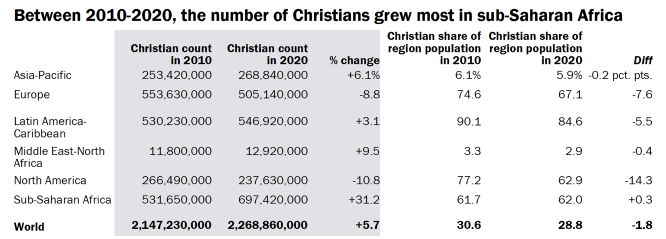
What this means for Easter is straightforward: in markets like Nigeria, Ghana, Kenya, Uganda, Ethiopia, South Africa, Zambia, and Zimbabwe, to name only a fraction, Easter is not a niche observance. It is a continent-wide cultural event that cuts across income brackets, ethnic groups, and geographies.
Unlike Christmas, which in many African markets has been extensively commercialised over decades, Easter retains a deeper religious and communal character. Church attendance spikes dramatically. Family and community gatherings take on significance beyond mere social obligation. And crucially for brands, the combination of collective observance, social expectation, and public presence creates one of the strongest spending triggers of the consumer calendar.
From Worship to Wallet: How the Spending Shift Happens
Understanding Easter spending requires understanding the sequence of social obligations that the holiday generates. It is not a single transaction event. It is a multi-day, multi-category spending cascade, each stage unlocking the next.
It begins with appearance. Church attendance at Easter is a high-visibility social moment across much of Africa. Being seen (and being seen well) carries genuine social weight. This drives pre-Easter spending on clothing and personal grooming that is often invisible to brands focused narrowly on food and beverages.
It continues with hospitality. Across West, East, and Southern Africa, Easter gatherings involve hosting and being hosted: meals that require significantly more food and beverage investment than a typical weekend. In many households, this is the occasion that justifies a larger-than-usual market or supermarket trip. NielsenIQ’s research on FMCG consumption patterns in African markets consistently identifies religious and cultural holidays as the highest-volume purchase occasions, with basket sizes typically 30–50% above weekly averages during peak festive periods.
And it culminates in movement. Easter in many African countries is tied to travel: to family in other towns, to church retreats, to coastal or rural escapes. This means transport, fuel, mobile data, and accommodation all see demand increases that are directly traceable to Easter as a behavioural driver.

Category-Level Insights: Where the Money Actually Moves
FMCG: Food, Beverages, and Household Goods
Fast-moving consumer goods brands are perhaps the clearest beneficiaries of Easter spending in Africa, but the dynamics are more nuanced than simply ‘more people buying more food’. Easter fasting traditions, common in Catholic, Orthodox, and some Pentecostal denominations, reshape FMCG purchase patterns before the holiday, driving demand for specific categories such as fish, eggs, vegetable-based proteins, and non-alcoholic beverages during the fasting period.
The breaking of the fast on Easter Sunday creates what is effectively a feast-planning occasion, with households deliberately shopping for premium or special-occasion foods. For FMCG brands with an appropriate product range and distribution, this represents a genuine revenue uplift opportunity, one that is systematically underserved by generic seasonal promotions.
Fashion and Apparel
Across West and Southern Africa in particular, the cultural expectation of wearing new or best clothing to Easter Sunday service is deeply embedded. In markets like Nigeria and Ghana, the concept of owning and displaying a ‘church outfit’ drives apparel and accessories spending that rivals pre-Christmas retail periods in some urban centres.
What makes this category interesting from a marketing perspective is that much of the purchasing happens outside of formal retail. Tailors, open-air fabric markets, and informal fashion vendors capture a significant share of Easter fashion spending, meaning that brands and retailers focused on formal channels often measure an incomplete picture of total category demand.
Transport and Mobility
Intercity travel is one of the most consistent Easter spending behaviours across the continent. In Nigeria alone, the NBS has documented peak travel periods aligned to public holidays, with road transport volumes increasing substantially around Easter and Christmas. Across East Africa, the pattern is similar. Easter weekend is among the highest-demand travel periods of the year for both road and air transport.
For brands in adjacent categories (fuel, mobile data, food and beverage in transit corridors, and digital payments) Easter travel represents a high-frequency, high-intent touchpoint that is rarely integrated into seasonal marketing strategies.
Retail and Informal Markets
It would be a significant analytical error to consider Easter retail spending only through the lens of organised formal retail. Across most African markets, informal trade accounts for a substantial proportion of household consumption. The World Bank has estimated informal retail penetration at between 70% and 90% of consumer spending in many sub-Saharan African markets.
Easter spending flows heavily through these channels, particularly for fresh food, beverages, and clothing. Brands without informal distribution strategies—or without the insight to understand where their consumers actually shop during peak festive periods—are systematically underperforming the commercial opportunity that Easter represents.
The Role of Culture and Social Expectation
One of the most commercially significant and most underanalysed drivers of Easter spending in Africa is what might loosely be described as the ‘show up well’ imperative. Across many African social contexts, public visibility during major communal events like Easter carries genuine social consequences. Appearance, hospitality, and generosity are not merely personal choices; they are performances within a social system that attaches meaning to how you present during high-visibility moments.
This dynamic drives spending that goes well beyond functional need. It explains why households in tight financial circumstances will still invest in new outfits for Easter Sunday. It explains why hospitality spend remains relatively price-inelastic during the Easter period even in economically stressed environments. And it explains why gifting, while less developed as a commercial category during Easter than at Christmas, is an emerging behaviour, particularly in urban centres with younger demographics.
For marketers, the strategic implication is significant: during Easter, many African consumers are not buying products. They are buying social outcomes, the ability to appear well, host generously, and participate meaningfully in their community’s high-visibility moments. Brands that understand this motivation and speak to it directly will consistently outperform those running generic seasonal promotions.
Digital Behaviour During Easter
Easter is also a significant digital moment, and the data from GSMA’s annual mobile market reports consistently shows that mobile internet usage in sub-Saharan Africa spikes during public holidays, driven by increased social media activity, messaging, and content sharing that accompany communal celebrations.
The emotional texture of Easter (joy, reunion, gratitude, shared celebration) produces social media content that is among the most organically engaged of the year. In markets like Nigeria, Kenya, and South Africa, Easter Sunday generates substantial volumes of social sharing around church, family gatherings, food, and fashion. This creates a contextual signal that brands with strong social listening capabilities can use to understand what consumers value and how they position themselves during the period.
For digital marketers, the Easter window offers above-average engagement rates, not because audiences are passively scrolling, but because they are actively participating in a shared cultural moment. Content that authentically connects with the emotional register of Easter in African communities outperforms generic promotional messaging by a significant margin.
The Spending Brands Cannot See
Perhaps the biggest strategic blind spot in most brands’ Easter analysis is the informal economy. When research teams and marketing analysts review retail sell-out data or distributor offtake numbers during the Easter period, they are almost always looking at a partial picture.
The World Bank’s research on African retail structures consistently shows that informal trade dominates consumer spending across most of sub-Saharan Africa. Easter does not change this structural reality. If anything, it amplifies it, because the communal and localised nature of Easter gatherings means that consumers often buy from the vendors and market traders in their own communities rather than travelling to formal retail environments.
This has a direct implication for brands: the Easter revenue that is not showing up in your retail data is not revenue that isn’t happening. It is revenue that is flowing to channels you are not tracking. Brands that invest in informal distribution intelligence build a competitive picture of Easter that their rivals cannot access from syndicated retail data alone.
What Brands Get Wrong About Easter
The most common mistake brands make at Easter is treating it as a discount period or a generic ‘seasonal moment’ rather than a behaviour-driven opportunity with its own distinct consumer psychology.
Generic Easter campaigns fail because they do not connect with the actual motivations driving consumer behaviour. African consumers during Easter are not looking for discounts. They are looking to fulfil social obligations, to appear well in their communities, and to mark a significant cultural and spiritual moment with appropriate material expression.
A second common mistake is late activation. Easter spending, particularly for apparel, travel, and gifting, begins well before Easter Sunday. Consumers planning church outfits, family gatherings, or intercity travel are making purchase decisions in the one to two weeks preceding the holiday. Brands that launch campaigns in the final 48 hours of the Easter weekend are competing for attention at a moment when purchase decisions have largely already been made.
Finally, brands frequently underestimate channel diversity. A campaign that reaches consumers only through formal retail and digital advertising will miss the substantial proportion of Easter purchasing that happens in informal markets, through community traders, and via peer recommendation. Particularly in lower-income urban and peri-urban markets, where the bulk of Africa’s consumer population resides, channel reach is as important as message quality.
Strategic Implications for Marketers
Activate early: Begin Easter-specific campaigns 10–14 days before the holiday. The highest-intent purchase window for fashion, food planning, and travel falls in the two weeks before Easter Sunday.
Speak to social motivation, not just product benefit: Frame your brand within the social outcomes consumers are pursuing: appearing well, hosting generously, celebrating meaningfully. Promotional messaging that ignores these motivations will underperform.
Map your informal distribution: Understand what share of your category sales moves through informal channels during Easter. If you do not have visibility into this, you do not have a complete picture of your competitive position.
Design for the fasting-to-feast arc: In markets with strong fasting traditions, Easter represents a two-phase spending window: pre-Easter fasting drives specific FMCG categories, and Easter Sunday creates a feast-planning occasion. Align your activation to both phases.
Leverage mobile-first engagement: With GSMA data confirming that mobile internet penetration continues to grow rapidly across African markets, Easter’s elevated digital engagement period is an opportunity for mobile-first content and commerce activations that meet consumers where they actually are.
Use data to identify your highest-value Easter geographies: Easter spending patterns vary significantly between urban and rural markets, between coastal and inland regions, and between religious denominations. Brands with the ability to analyse transaction or demand data at a geographic level should use it to prioritise channel investment during the Easter window.
Easter Is a Moment of Reflection and Decision
For most African consumers, Easter is one of the most emotionally significant periods of the year. It combines spiritual meaning, community belonging, and social performance in a way that very few other calendar moments achieve. And that combination is one of the most powerful commercial signals a brand can receive.
The spending that happens around Easter in Africa is not impulsive. It is intentional, socially embedded, and in many cases emotionally charged. It is driven by values that go beyond price sensitivity or product preference. And it flows through channels that many brands are not equipped to track, let alone serve.
Easter in Africa is a continent-wide, billion-person behavioural event. The is whether your brand is positioned to capture the opportunity it creates.
Want deeper insight into African consumer behaviour?
At Marketing Analytics Africa, we specialise in helping businesses unlock the power of marketing analytics. Let us guide you in understanding the African consumer buying behaviour to achieve measurable growth and success.
Ready to get started? Contact us today for a free consultation and take the first step toward building a data-driven future for your business.
Subscribe to Marketing Analytics Africa for Africa-specific market intelligence, consumer behaviour data, and seasonal marketing frameworks delivered to your inbox.
Visit: marketinganalytics.africa for more marketing intelligence.