

The holiday shopping season has a familiar rhythm. Consumers make shopping lists, visit different stores, compare prices, negotiate discounts, and try to make their money stretch as far as possible.
But increasingly, some of that shopping journey begins long before anyone steps into a physical store.
Picture a shopper scrolling through their phone during a lunch break. They add groceries to a digital shopping list, check the prices of household essentials on two different platforms, compare delivery charges and save a few items for later. They might eventually buy online, visit a nearby shop or use a combination of both.
This is becoming an increasingly familiar shopping experience across Africa.
With household budgets under pressure and consumers becoming more deliberate about their spending, online shopping is evolving beyond convenience. It is becoming a practical tool for researching products, comparing prices, planning purchases and finding payment options that fit individual budgets.
As the 2026 holiday season approaches, understanding this shift matters to retailers, payment providers and brands looking to connect with African consumers.
Africa’s online shopping market is getting bigger
Africa’s e-commerce landscape is expanding, although growth is far from uniform across the continent.
Different countries have different levels of internet access, payment infrastructure, logistics capabilities and consumer purchasing power. Nevertheless, the direction is clear: digital commerce is becoming a more important part of retail.
South Africa provides one of the clearest examples of this expansion.
According to the Online Retail in South Africa 2026 report, online retail sales are expected to reach approximately R159 billion in 2026, representing year-on-year growth of 22.5%.
More significantly, online retail is expected to account for 10% of South Africa’s total retail turnover for the first full calendar year.
The market generated approximately R130 billion in online sales in 2025. The projected increase of R29 billion in 2026 demonstrates how quickly digital retail is gaining ground.
This growth is not limited to online marketplaces. Traditional retailers are also strengthening their digital operations, investing in delivery infrastructure, loyalty programmes and digital shopping experiences.
The platforms attracting consumers illustrate the diversity of this market. Research found that Takealot was used by 35.3% of online shoppers, followed by Shein at 21.5% and Checkers Sixty60 at 15%.
These figures represent platform usage among surveyed online shoppers, not market shares. However, they reveal an important consumer behaviour: shoppers are increasingly comfortable using different digital platforms for different purchasing needs.
Some are looking for household essentials, others are searching for affordable fashion, while many want the convenience of ordering groceries without visiting a supermarket.
The implication for retailers is significant. Competing for holiday spending is no longer simply about having the right product on the shelf. It is also about being visible where consumers research, compare and make purchasing decisions.
The new shopping strategy: Compare first, buy later
When disposable income is under pressure, consumers become more conscious of how they spend.
This changes the role of online shopping.
Rather than purchasing immediately, shoppers can use digital platforms to research available products, compare prices across retailers, identify promotions and decide when a purchase makes financial sense.
For example, a family preparing for Christmas might compare the cost of groceries across supermarket apps, check whether a retailer offers free delivery and look for discounts before deciding where to shop.
This behaviour gives consumers greater visibility into their purchasing options.
It also changes the relationship between physical and digital retail. A consumer may discover a product online, examine it in a physical store and eventually purchase it through whichever channel offers the best overall value.
For brands, this means the customer journey is increasingly fragmented across multiple touchpoints.
Retailers that understand these journeys can make better decisions about pricing, promotional timing, product availability and customer engagement.
The opportunity is not simply to attract more website visitors. It is to understand what influences shoppers to move from consideration to purchase.
Digital payments are making holiday shopping more flexible
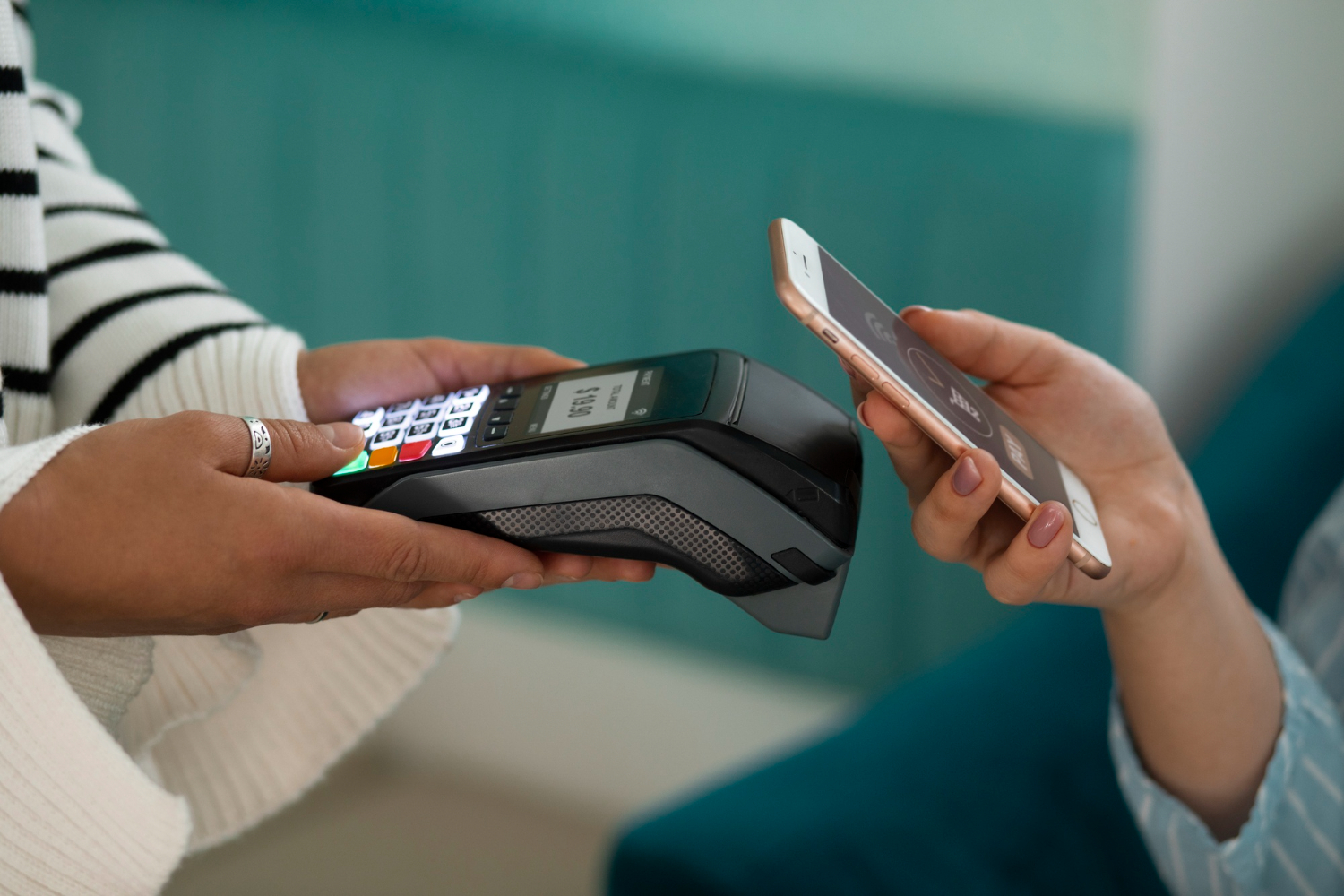
The expansion of online retail depends on more than internet access and attractive product listings. Consumers also need payment options they can trust and use comfortably.
Across Africa, mobile money, digital wallets, instant bank transfers and instalment-based payment services are helping shape the online shopping experience.
However, the preferred payment methods differ considerably between markets.
Kenya: Mobile money remains central
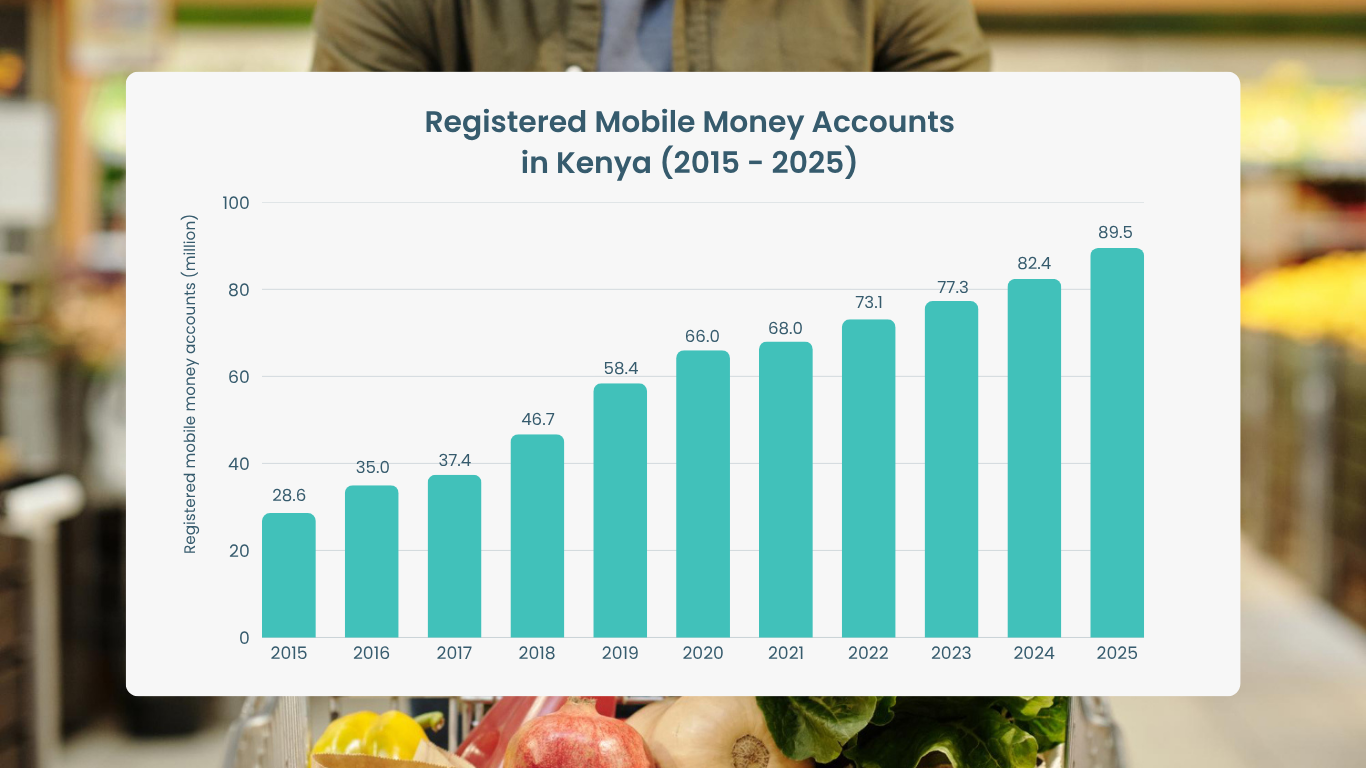
Kenya offers one of Africa’s strongest examples of mobile money adoption.
According to the Central Bank of Kenya, the country had approximately 95.31 million registered mobile money accounts in August 2026, compared with 82.43 million in December 2024.
These are registered accounts, not necessarily unique users or active accounts. Nevertheless, the figures demonstrate the scale of the country’s mobile money infrastructure.
Services such as M-Pesa have made digital transactions part of everyday financial activity, including payments for goods and services.
For online retailers, this creates opportunities to simplify checkout by integrating familiar mobile payment options rather than relying exclusively on traditional card payments.
Kenya is also experiencing increased interest in buy-now-pay-later (BNPL) services.
The 2024 FinAccess Survey, published by the Central Bank of Kenya, the Kenya National Bureau of Statistics and FSD Kenya, found that the use of hire-purchase and lipa mdogo mdogo arrangements (an instalment payment model) increased from 2.1% in 2021 to 6.2% in 2024.
This represents a threefold increase in adoption.
For consumers, instalment payments can make certain purchases more manageable by spreading the cost over time. For retailers, they can potentially reduce the immediate financial barrier to purchasing higher-value products.
South Africa: Digital wallets and alternative payment options are gaining ground
South Africa’s digital retail expansion is also being accompanied by changes in payment behaviour.
The 2026 Online Retail in South Africa report highlights growing use of digital wallets, with wallet payments increasing by more than 35% year-on-year across retailers.
The report also identifies instant electronic funds transfers, pay-by-bank services and BNPL as important components of the evolving payment landscape.
These developments matter during the holiday season, when consumers often make multiple purchases across different retailers.
Offering convenient payment options can help reduce checkout friction and make digital transactions more accessible to different customer groups.
For retailers, the challenge is to provide payment flexibility without compromising transaction security and reliability.
Nigeria: Bank transfers are a major part of online payments
Nigeria presents another interesting example of how local payment infrastructure shapes digital commerce.
Unlike markets where cards dominate online transactions, Nigeria has developed a strong account-to-account payment ecosystem.
According to Worldpay’s Global Payments Report 2026, bank transfers through the NIBSS Instant Payments system are Nigeria’s leading e-commerce payment method.
The report also highlights the role of Nigeria Quick Response (NQR), which allows consumers to scan merchant QR codes and complete payments through their banking or fintech applications.
This is particularly relevant because it demonstrates that digital commerce does not depend on consumers owning international payment cards.
Instead, local banking infrastructure and fintech applications can provide alternative routes for completing online purchases.
For Nigerian retailers preparing for the holiday season, integrating familiar bank-transfer and digital payment options can be just as important as offering card payments.
The broader lesson across these three markets is that there is no single payment strategy for Africa. Businesses must understand the financial habits and infrastructure of the markets they operate in.
Read also: How African Shoppers Are Stretching Their Money This Holiday Season
The catch: Convenience does not eliminate shopping risks
Although digital shopping offers several advantages, it also introduces challenges that consumers and retailers must consider.
Delivery costs and unreliable fulfilment
A product may appear cheaper online until delivery charges are added.
For consumers outside major urban centres, delivery availability, additional fees and uncertain delivery timelines can make online purchases less attractive.
During the holiday season, high order volumes can also place pressure on fulfilment networks, increasing the possibility of delayed deliveries.
Retailers should therefore communicate delivery charges, expected arrival dates and collection options clearly before checkout.
Trust and payment security
Consumers need confidence that the products they order will arrive as advertised and that their payment information will remain secure.
Fake online stores, misleading product descriptions, fraudulent payment links and counterfeit products can undermine that confidence.
Retailers should prioritise secure payment gateways, transparent return policies, clear product information and accessible customer support.
Consumers, meanwhile, should verify sellers, review product information and avoid making payments through suspicious links.
The risk of accumulating BNPL debt
Buy-now-pay-later services can make purchases feel more affordable because consumers do not have to pay the entire amount immediately.
However, spreading payments does not make a product cheaper.
Multiple instalment commitments can accumulate, particularly during a season when consumers are already spending on gifts, travel, food and household expenses.
Kenya’s growing use of hire-purchase and lipa mdogo mdogo services illustrates why responsible borrowing and transparent lending terms matter.
Before using an instalment service, shoppers should understand the repayment schedule, applicable fees, penalties for missed payments and their ability to meet future obligations.
Payment flexibility should support responsible purchasing, not encourage consumers to spend beyond their means.
What this means for brands and retailers this holiday season

The digital holiday shopper is not necessarily abandoning physical stores. Instead, consumers are becoming more comfortable moving between online and offline channels to find products, compare prices and complete purchases.
For businesses, this creates several opportunities.
First, retailers need to make product information and pricing easy to access. Consumers comparing several options are more likely to favour businesses that communicate clearly.
Second, payment flexibility should be part of the customer experience. Supporting relevant local payment methods can make it easier for consumers to complete purchases.
Third, businesses should pay attention to delivery performance. An attractive online promotion means little if customers cannot receive their purchases when they need them.
Finally, retailers need to understand how consumers behave across different channels. Website visits, abandoned carts, payment preferences, repeat purchases and promotional responses can reveal what influences buying decisions.
This is where data becomes particularly valuable.
Businesses that analyse consumer behaviour can identify which products attract the most attention, which payment options encourage conversions, where customers abandon their shopping journeys and which promotions generate actual sales.
The holiday season provides an opportunity to turn these insights into more effective marketing and retail decisions.
Make smarter holiday marketing decisions with Marketing Analytics Africa
Understanding the digital holiday shopper requires more than tracking online sales. Businesses need to understand consumer preferences, purchasing behaviour, payment habits, market dynamics and the factors influencing buying decisions.
At Marketing Analytics Africa, we help businesses make informed market-entry, expansion and marketing decisions through tailored data and analytics solutions.
Whether you are preparing a holiday campaign, evaluating a new African market or looking to understand your customers better, our insights can help you identify opportunities, reduce uncertainty and build strategies around actual consumer behaviour.
Don’t just compete for holiday spending. Understand the people driving it.
Want to understand more about how our data and analytics solutions can support your business? Contact us.